Menu

GLOBAL NOMAD | AVID BOOKWORM

In 2018-2019, I spent 16 months traveling around the world, and for a bit, I tried to live up to the "global nomad" / "digital nomad" name and tracked the wonderful books, podcasts, articles, and films I found along the way. I haven't posted new content to this blog since 2020 (see About for more info on what I've been up to), but lately have been finding myself wanting to share wonderful, funny, and/or thought-provoking things again. So without further ado…

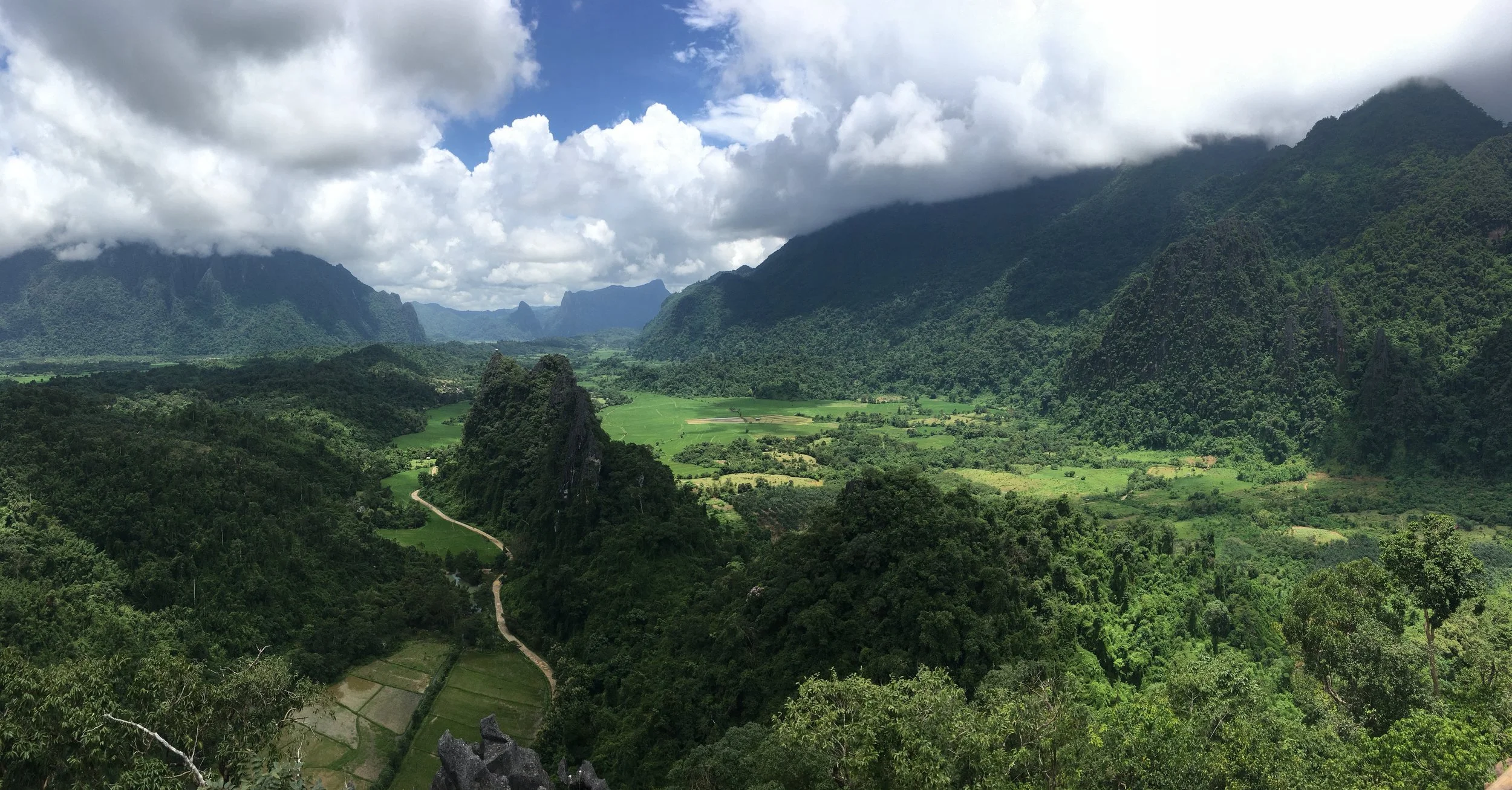
Oh-so-lovely Laos

LOCAL STORIES:

Unexpectedly, we ended up seeing 3 movies about Laos—

  • The Rocket: This little beaut of a film won the Audience Award at the Tribeca Film Festival a few years ago, and for good reason. The basic story is simple—a Laotian boy tries to prove he isn't bad luck by winning a rocket-building contest—but it elegantly weaves in Laotian folklore, tribal animist rites, and panoramic shots of the countryside/jungle. Highly recommended.

  • Chang: A drama of the wilderness: A hotel in Luang Prabang was showing this silent film each evening, and we were unexpectedly delighted by it. It's pioneer man-vs-nature feel definitely feels dated (watching them celebrate shooting now-endangered species is pretty awful), but it is incredible footage that must have been insanely difficult to gather and manually splice together. Apparently the filmmakers spent about 2 years in the Laotian jungle filming it. Oh, and fun fact: it was nominated at the very first Academy Awards!

  • Banana Pancakes and the Children of Sticky Rice: A Dutch documentary of how tourism to a Laotian village has changed things. I found it beautifully filmed but also pretty slow/boring and not all that insightful. That said, Werner loved it.

I also read one book on Laos:

  • The Song Poet: A Memoir of My Father by Kao Kalai Yang: A Laotian-American author writes this loving tribute to her father, a Hmong tribesman who had to flee Laos because the Hmong were being punished for siding with the Americans in the "Secret War." He then spent 8 years in a Thai refugee camp, before getting refugee status in the US, where he had to brave Minnesotan winters, backbreaking factory work, and the racist ignorance of midwestern America. The book was interesting (and, as a child of immigrants, more than a little guilt-inducing) but not I wouldn't go out of my way to read it.

GLOBAL STORIES

  • "How China got Sri Lanka to Cough Up a Port" (NYTimes): This is an incredible and important story about China's new "Belt and Road" initiative, its forays into "international development," and the underlying drivers of its newfound "global goodwill." Key quote: "[It] amounts to a debt trap for vulnerable countries around the world, fueling corruption and autocratic behavior in struggling democracies." The bright side? Maybe China's strategies to prop up corrupt officials will also be its downfall - e.g., potentially failed deal in Pakistan, disrupted plans in Malaysia, etc.

  • "El Chapo and the Secret History of the Heroin Crisis" (Esquire, from 2016): A duallt entertaining, sobering, and educational account linking: the American opioid crisis, our legalization/decriminalization of marijuana, the capture(s) of Mexican drug lord El Chapo, drug economics 101, and the Mexican political economy. Oh yes, it's quite the ride. (Craziest stat: 12% of the Mexican economy is funded by drug cartel money.)

    ...
Read full post →

Thailand | and also fake news...

LOCAL STORIES

  • Four Reigns by Kukrit Pramoj - A sweeping multigenerational tale of a minor courtier (and her family/friends) in the Thai royal palace, from childhood to old age - over the course of 4 kings, from the late 19th century to mid 20th century. It was a pretty breezy read, kind of like Buddhist royal gossip - but as an outsider, gave an interesting view on how a Thai author-journalist characterized his society, proper social roles (esp vis-a-vis Confucianism), royalty, and interactions with the foreign (farang) world. There was a simplicity to the book that was kind of rewarding - kind of like when tidying up, and everything fits in its place. (All the characters, especially the protagonist, acted as they should, in conformity to their rather simplistic characters and Buddhist social mores.) That said, it was also kind of frustrating: people weren't really open to change, and the protagonist feels annoyingly unfeminist (to the contemporary western reader) - her role is to serve her husband and family, she self deprecatingly says she cannot understand politics or finances, etc.

  • Sightseeing by Rattawut Lapcharoensap (h/t Ashley B) - I read these short stories years ago and remember it as uneven. Werner read it this time and mostly agreed. Maybe give a pass.

LONGFORM

I actually haven't read anything I've LOVED enough to recommend, with one singular (and important!) exception:

  • "Truth, Disrupted" (Harvard Business Review) - SUCH a good article. A group of MIT researchers recently published their findings on how "false news" travels on Twitter. (Scholarly article from Science magazine is unfortunately behind a paywall.) Luckily, this HBR piece is a great companion/follow-up article looking at: (A) why truth matters (sounds obvious, but they make points I hadn't thought of before); (B) how false news spreads (with interesting tidbits like: false news spreads faster than true news, this speed differential is due to humans not bots, and is despite the fact that false news often originates with poorly networked accounts); and (C) what we can do about it, as tech companies/designers, policy makers, and general citizen consumers. I had SO MANY aha moments from this.

Read full post →

Long form!

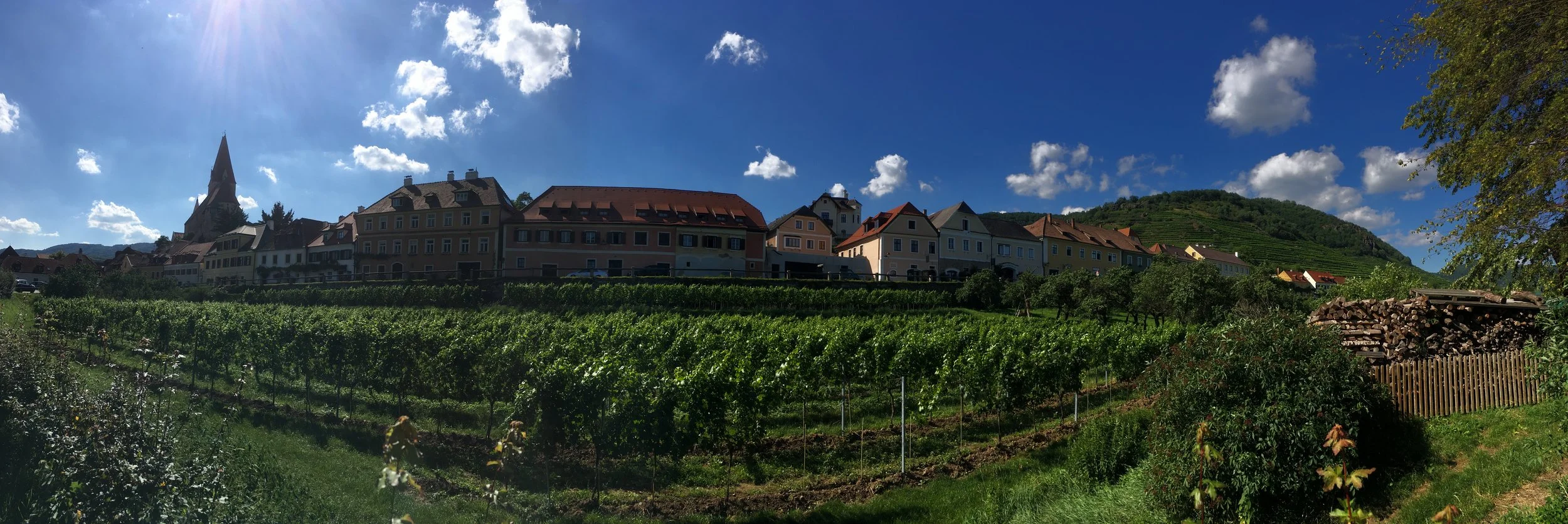
Countries visited: Austria, Thailand (current)

I didn't stay in Austria long enough for a "local" read, so instead took a break to catch up on long-form.

AMERICANA

  • DIY Guns (Wired): Why the publishing of 3D printing gun specs (now protected by First Amendment "free speech" claims), renders all gun restrictions as we know them obsolete. Also: a brilliant library plan.

  • "Whatever's your darkest question, you can ask it here" (California Sunday): On how the original pro-choice campaign fought for medically safe abortions, over at-Home care, leaving behind a socioeconomic segment that just can't afford hospital abortions. Made me consider, for the first time, why we don't have the abortion equivalent of midwives.

  • Jimmy Carter for Higher Office (GQ): A profile of a former President, whose underrated optimism and commitment to public service may be just what we need now

  • A Rattle with Death in Yosemite (Outside): A fascinating account of a near-fatal rattlesnake bite. I learned a lot about snakes and snakebites. For instance: A single vial of anti-venom can cost $18,000, and by the time he reached the hospital, he needed 18 vials.

MAKE TECH GREAT AGAIN

MONEY MATTERS

  • The Brexit Short (Bloomberg): Hedge funds are making bank from getting private UK exit polling data earlier, and then betting on GBP currency swings. As genius as it is nefarious. So whoever said (incorrect) exit polls are now worthless in the Brexit/Trump age, clearly don't understand FX markets.

  • John Lanchester: After the Fall (LRB): 10 years on from the great Recession of 2008 - a great, simple overview of the lessons we haven't learned, the structural changes we haven't made, and why they matter.

  • Pay the Homeless (Longreads): Oy, I still don't know the ethics of this situation, but I feel like this article called out a lot of my behavior/excuses in helpful ways.

  • ...

Read full post →

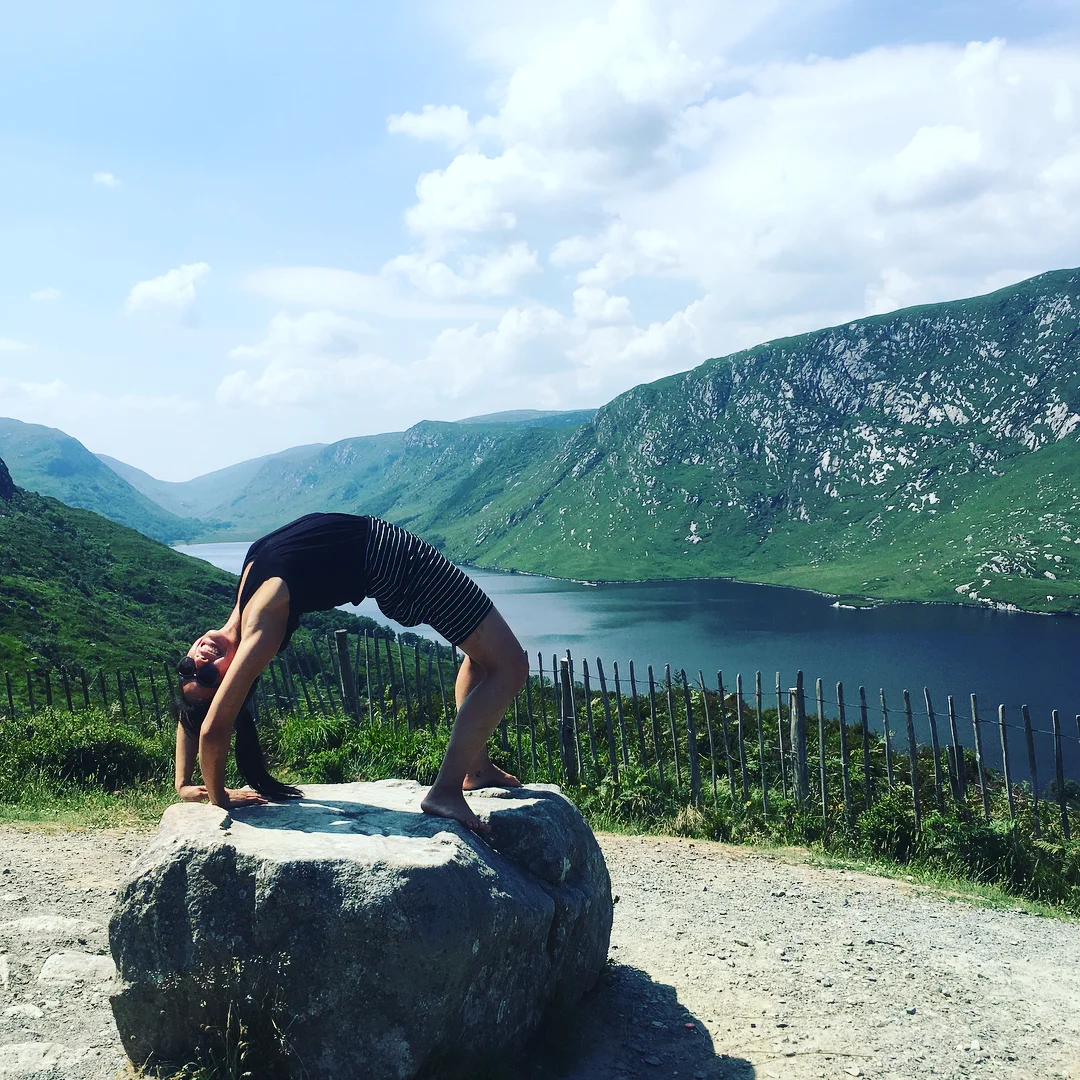
Ireland

Countries visited: Republic of Ireland, Northern Ireland (UK)

IRISH STORIES

  • Nuala O'Faolain's memoir Are You Somebody (h/t Padraig) - A gorgeous, earnest, and culturally evocative memoir of what it was like to grow up as an intellectual woman in Catholic Ireland, with the nationalist movement happening in the background. This had such a strong sense of place and time that I often felt transported.

  • Conversations with Friends by Sally Rooney - Okay so technically I read this a few months ago, but only on this trip did I realize it was by an Irish author! This book read like a literary version of HBO's Girls - a take on millennial female friendships through university and your early 20s, complete with intellectual posturing, conversations overripe with imbued meaning, and age-inappropriate relationships. Basically, you spend most of the book being like, Oh god don't do that, but of course because they're in their early 20s, they do it anyway. I loved it.

Local theatre geekery:

  • Sharon at the Bewley Cafe Theatre - An earnest, sweet version of the female "searching for self in your 20s" theme. Not breaking any new ground, but had excellent dialogue and talented actors. I imagine it'll do the European Fringe circuits.

  • Ulysses at the Abbey Theatre - Confession time: I have never read Ulysses nor do I have any pressing to do so. I figured watching it as a play would be like a shortcut. WRONG. Apparently Ulysses is mad complicated, though an intermission Sparknotes skim did help sort me out. My main layman's takeaways: 1) Whoa that was pretty raunchy and I totally get why the Catholic Church hated it, and 2) Theatres in the Round are both so cool and also quite impractical.

Also: So many popular contemporary authors are Irish! For example, did you know David Mitchell and Emma Donoghue are both Irish?

STORIES FROM "HOME"

  • Who's Afraid of the Big Bad Wolf Scientist (NYT Magazine) - When ecological science and politics collide. Best sentence: "A wolf, in this debate, is always much bigger than a wolf. 'Wolves are Democrats,' I was told more than once; they symbolize Big Government and regulation and all the ways that distant bureaucrats and coastal elites want to destroy the cherished rural ranching culture of the West."

  • The Lifespan of a Lie (Medium) - On the media maneuverings of Prof Zimbardo, to spread the alluring (but false) "lessons" of the Stanford Prison Experiment, potentially paving the way for an American prison system focused on punishment rather than rehabilitation.

  • Vice Media was Built on a Bluff (NY Mag) - All I can say is: Holy shit. And also: 100% that this will become a Hollywood movie someday.

Read full post →

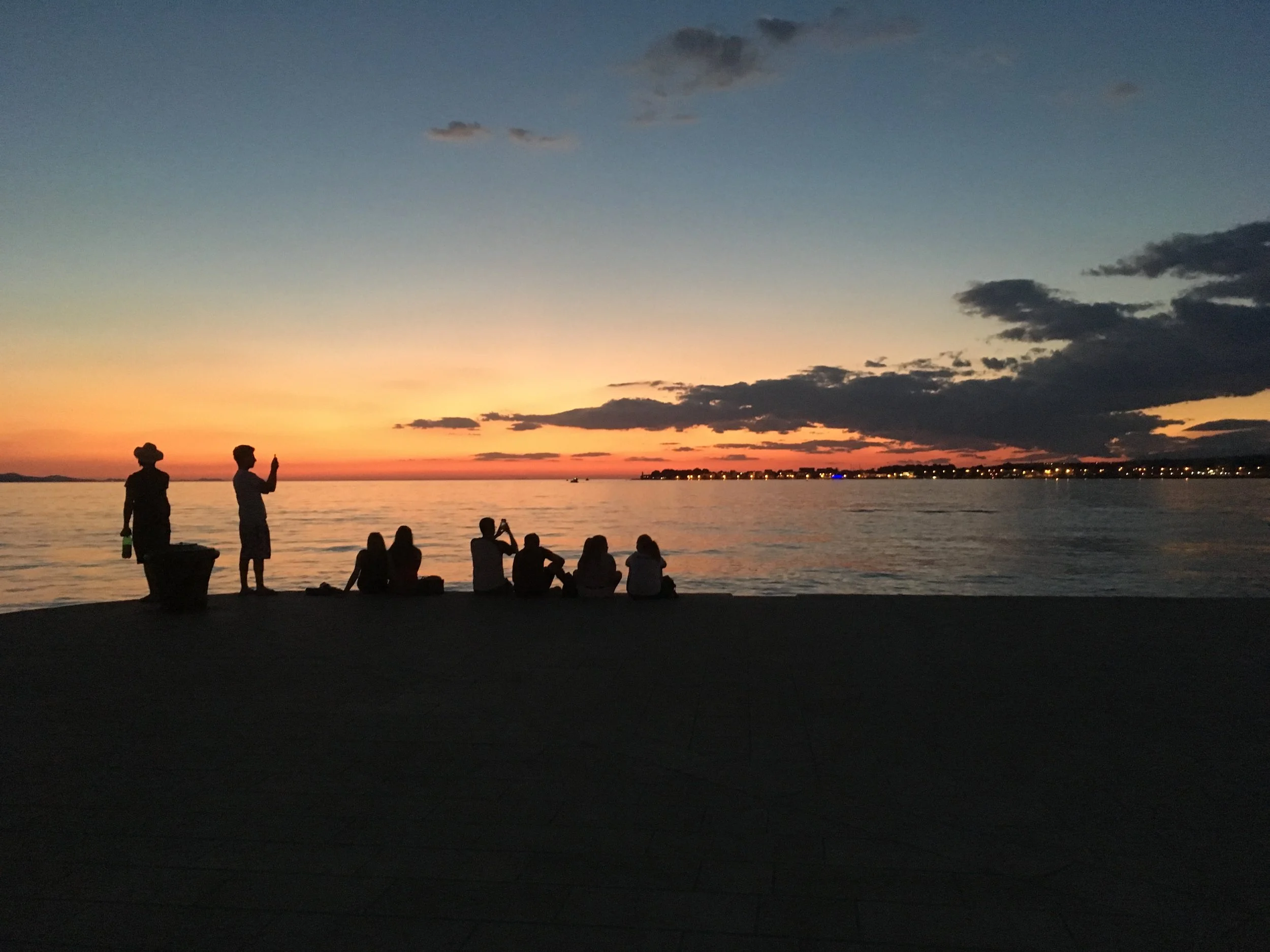
Croatia

Travels: Slovenia, Bosnia & Herzegovina (for about 30 mins), Croatia

LOCAL IS LEKKER

  • I read Dubravka Ugresic's The Ministry of Pain about a Croatian exiled to Amsterdam after the "Homeland War." It reads weirdly breezily - and in part I suspect that's the point: that tragedy can pass so breezily, with matter-of-fact observation. But there's plenty of dark humor underlying everything (she gets a job as a professor teaching "Yugoslavian literature"; she notes that the farther her countrymen travel West, the farther East — ie in Asian/Middle Eastern enclaves— they end up), and a little bit of nonchalant violence too. In general, I liked but didn't love the book. Here's The Guardian's review, which is pretty glowing.

  • Werner read Girl at War from Croatian-American author Sara Novic. He rates it as "good not great." He would still recommend it to someone traveling in Croatia, as it was a fast read that whets your appetite to read more about the conflict. From the book, you only see one perspective, framed as "us vs them."

THE WORLD IS FLAT

Some of my favorite parts of traveling are learning how ideas or symbols get transplanted across the world, and imputed with different meaning.

  • In Croatia, we started seeing American Confederate flags everywhere — only to learn that the symbol of the American South (and slavery) has come to be the flag for the Southern Croatian football team. Seriously.

  • Bit late, but for the Saffers: in Egypt, we learned that Zamalek is a football team. In South Africa, Zamalek refers to a Black Label beer. But according to Urban Dictionary, it's because Zamalek once beat South Africa so badly that the name began to equate to meaning "strong" and "able to give an ass kicking." How great is that?! Also, what PR company decides that a great way to market their beer is to emphasize what a failure the national football team is?! ❤️🇿🇦

  • Did you know that mainland Croatia consists of two land masses that don't connect? To get from the capital Zagreb to Dubrovnik (of Game or Thrones fame), you have to go through Bosnia? This got me looking into whether there are spots in the US (apart from Alaska) where you have to travel through Canada to get to, and there are! They are known as "exclaves" - here's an amusing blog post on one near Vermont and info on another more sizable one by Washington.

OTHER RECOMMENDATIONS

  • For Spanish speakers: Radio Ambulante's episode on "Narco Tours," hosted by a paisa (someone from Medellín) was really well done. I didn't learn anything new, and it didn't surprise me, but it was just so well told and produced, and raises good questions around the ethics of shows like Narcos. That moment when the tour guide asks the German guy if they do similar tours following in the footsteps of Hitler? Audio gold.

  • ...

Read full post →

Italy etc | Local stories

First, an addendum to Egypt: My favorite book I've read in a while was the surprisingly laugh-out-loud yet sweet Less by Andrew Sean Greer - the 2018 Pulitzer Prize winner. I don't normally like light reads (and neither does the Pulitzer committee), but 🤷🏻‍♀️.

Now onto the travel reads! So Werner and I have decided to try to read books written by authors from our travel countries (anywhere we stay at least a week in). So all posts from here on will probably include some of that. Note that the local read is the ONLY thing that might not be a "true" recommendation. Everything else is stuff I've really loved.

1. LOCAL STORIES:

So far we've visited: Italy, Spain, Malta, Slovenia - and just arrived in Croatia today!

  • Name of the Rose by Umberto Eco (Italy) - I've always intended to read Eco, but sort of in the same way I intent to watch art cinema and instead watch the latest superhero movie. Sooo, despite the book's plot summary (or its Hollywood movie version) - it is NOT a riveting murder mystery. That said, I learned a LOT about medieval times, Catholic politics, and theology (what makes a Franciscan, Dominican, and Benedictine monk different from each other? Now I too know this arcane fact). It did in fact make me think about cathedrals differently as we walked through them. But I'm also glad I'm done with it now :)

  • Daphne and the Two Maltas - BBC Assignment podcast (Malta) - Interesting piece to ponder as I walked around one of the prettiest cities I've ever been to. (Truly, get yourself to Valleta ASAP.)

  • Belated Egypt one: Cairo, A Type of Love Story (h/t Urmila) - Hilarious take by an expat American journalist in Egypt (though, full disclosure, Werner has read this guy's books on living in China and finds him to be an "asshole" and "condescending").

2. HOME STORIES

(...because wherever we go, we probably still gravitate towards American / South African stories.)

  • James Fallows on the Reinvention of America: I know some friends who love Fallows, and every once in a while, I read something by him that makes me understand why. This is smart and hopeful (didn't you think that was an oxymoron?) and full of wonky love for change at the local government/politics level.

  • The Promise of Vaping and the Rise of Juul - Reading this made me feel really, really old and out of it. I did not know Juul was a verb. I did not know about any of these Instagram memes. I did not know about it's popularity nor cache among youth (a term which no longer describes my age bracket). And I did not know there was mounting scientific evidence about the negative health effects of vaping. Def read if you are as ignorant as I was.

3. UNRELATED RECS

Next up: Ireland, Thailand. Hit me up if you've got local reading/listening recommendations!

Read full post →

Egypt | Unrelated recs

LOOKING TO JAPAN

  • How to kill a fish (Topic) - Why and how we should kill fish more humanely (as they do in Japan?), for animal rights, taste, and commercial reasons (fish who die by asphyxiation on ice release more lactic acid, so taste worse and can keep for up to 1 month less before going bad).

  • Japanese Rent-A Family Industry (New Yorker) - I didn't know this was a thing (and has been for decades), but in Japan, you can rent actors to pretend to be your family member, boss, or significant other - for all kinds of reasons that at first seem crazy but also kind of genius.

IMMIGRANT DREAMS, IMMIGRANT LIES

    • The Great high school impostor (GQ) - The GQ features desk consistently churns out some of my favorite long-form. This one is no exception. The story of a heartbreaking double life, a failed protagonist, the optimism of youth, and indiscriminate international border laws.
  • Germany's refugee detectives (The Atlantic) - Inside the secretive department in charge of vetting whether someone gets refugee status, where simple lies can reveal truths, and a machine can detect your true native language(s).

BIG TECH // TECH BUGS

  • Palantir knows everything about you (Bloomberg) - The obligatory article about the dangers of building big data based on human flaws, and the arrogance of big tech / Pieter Thiel. The part about the gang member repository just slays me.

POLITICAL GAMES

  • The Gamblers betting against Donald Trump (The Ringer) - There are people who bet on political outcomes, as their full time jobs - particularly exploiting the news/political bubbles that drive people's (namely Trump supporters') incorrect expectations of the future.

FARM MURDERS AND SOUTH AFRICAN VIGILANTISM

  • Midlands (book) - An old one (from 2000), but shockingly little has changed since then. Journalist Jonny Steinberg follows the story of the unsolved murder of a white farmer's son, in a town on the geographic edge of the white/black divide in KwaZulu-Natal. A depressing read in which everyone is morally culpable and also totally understandable.

  • A more updated and perhaps uplifting story: Give Back The Land (BBC The Documentary podcast). Would have liked to hear a bit more about other models of redistribution (eg profit share) - but I think the protagonist does a good job explaining the dilemma from the perspective of a liberal white South African: I know I should not keep stolen goods (it IS actually that simple), but I also can't bear to get rid of it.

Read full post →