GLOBAL NOMAD | AVID BOOKWORM
In 2018-2019, I spent 16 months traveling around the world, and for a bit, I tried to live up to the "global nomad" / "digital nomad" name and tracked the wonderful books, podcasts, articles, and films I found along the way. I haven't posted new content to this blog since 2020 (see About for more info on what I've been up to), but lately have been finding myself wanting to share wonderful, funny, and/or thought-provoking things again. So without further ado…
April 5, 2019
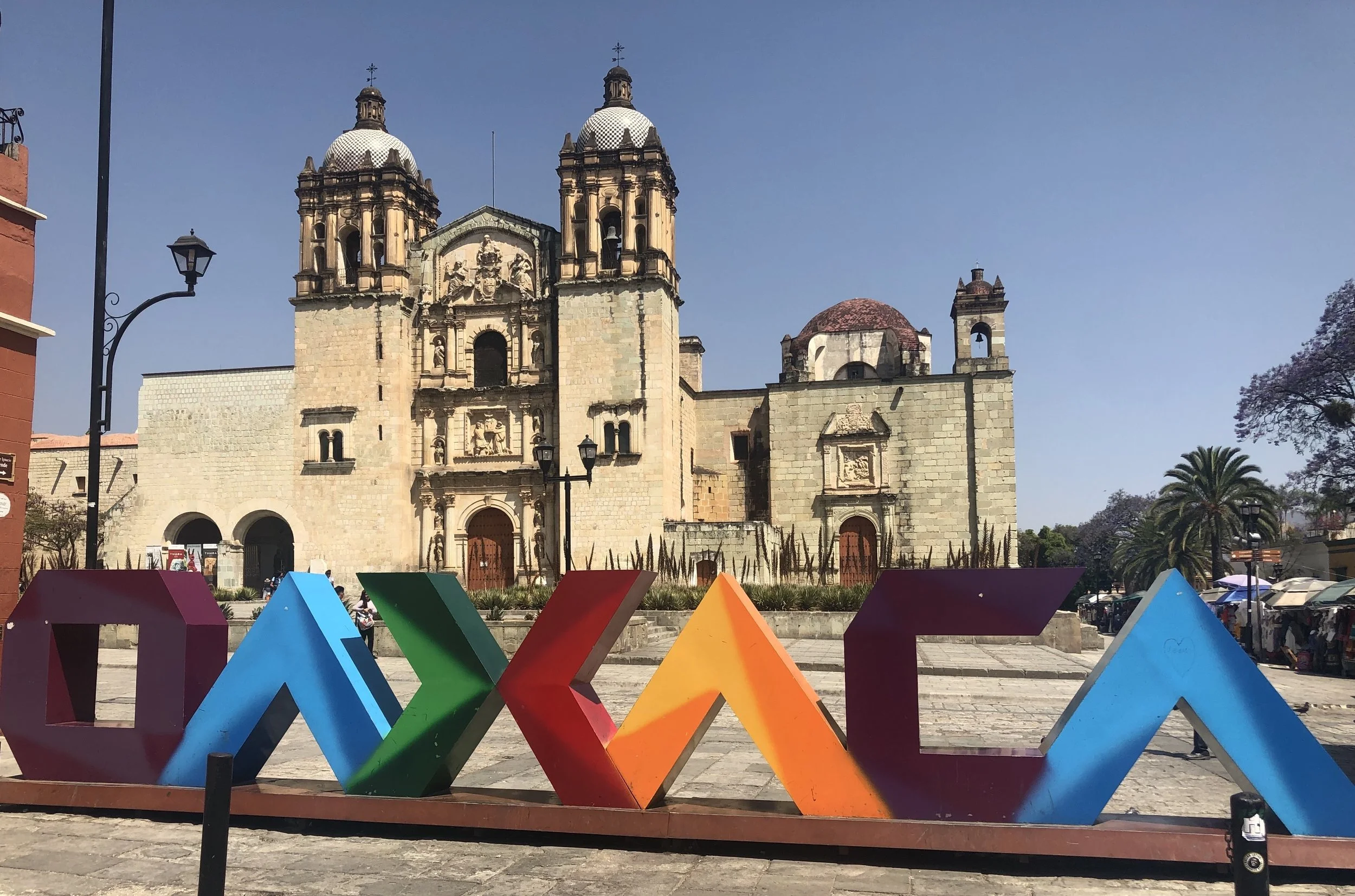
Countries visited: Mexico, Guatemala
REGIONAL STORIES:
-
Te Veré en el Desayuno (See You at Breakfast) by Guillermo Fadanelli: An example of Mexican "dirty realism," this novella follows four characters in Mexico City as their lives intersect, and it moves from a darkly comedic first half to simply dark second half. A heady combination of external forces (poverty, crime, sexism) and what Fadanelli depicts as human nature (a proclivity to lie to ourselves and others, to decide the wrong things are important) that drives the characters' increasingly appalling, irrational-yet-rational decisions. An employee at a bookshop in Mazatlán recommended it to me — and it was an excellent one. Not sure how the English translation holds up.
-
La Camioneta: The Journey of One American School Bus (short documentary): A sweet, though slow, look at how an American school bus gets transformed into a gloriously kitschy Guatemalan camioneta that provides public transport, and the financial and (gang) security risks involved in making that transformation. This documentary has made me look both more joyously and concernedly at all the many, many such buses we've passed on first our couple days in Guatemala.
LONG FORM:
My favorite pieces in the last few weeks have focused on 3 topics.
(1) Gaping Holes in Science
- "The hidden air pollution in our homes" (New Yorker) - Consider that we have spent billions cleaning up (and studying) outdoor air pollution, and that we publish academic reports quantifying the loss of life associated with living in "dirtier" cities. Yet it turns out most of us live over 95% of our lives indoors (5% outdoors = 1 hour, 12 mins per day)—and that we know close to nothing about whether there is indoor air pollution from home substances mixing: everything from cooking fumes (toast, baking, stir frying), to chemical cleaners, to body lotions. This article probably gets slightly too alarmist for my taste, but it is true that we don't know how alarmist to be because of the lack of science in this area.
(2) Rotten Tech
-
Bad Blood: Secrets and Lies in a Silicon Valley Startup by John Carreyrou (h/t Werner): This book follows the rise and fall of the blood testing hardware company Theranos, and the ways the leadership committed escalating acts of outright deception (to media, board members, and investors) to score massive commercial deals and pump up attention (and valuations). It also is the story of how difficult it is in these circumstances to be a whistleblower. It's of course an amazing story to cover, but the writer (journalist) gets way too caught up in side details. Somewhere in this readable 299-page book is an actually excellent 200-page book.
-
Two reasonably good starting places on potential paths for regulating Big Tech:
(3) Love is Complicated
...
Read full post →
March 16, 2019
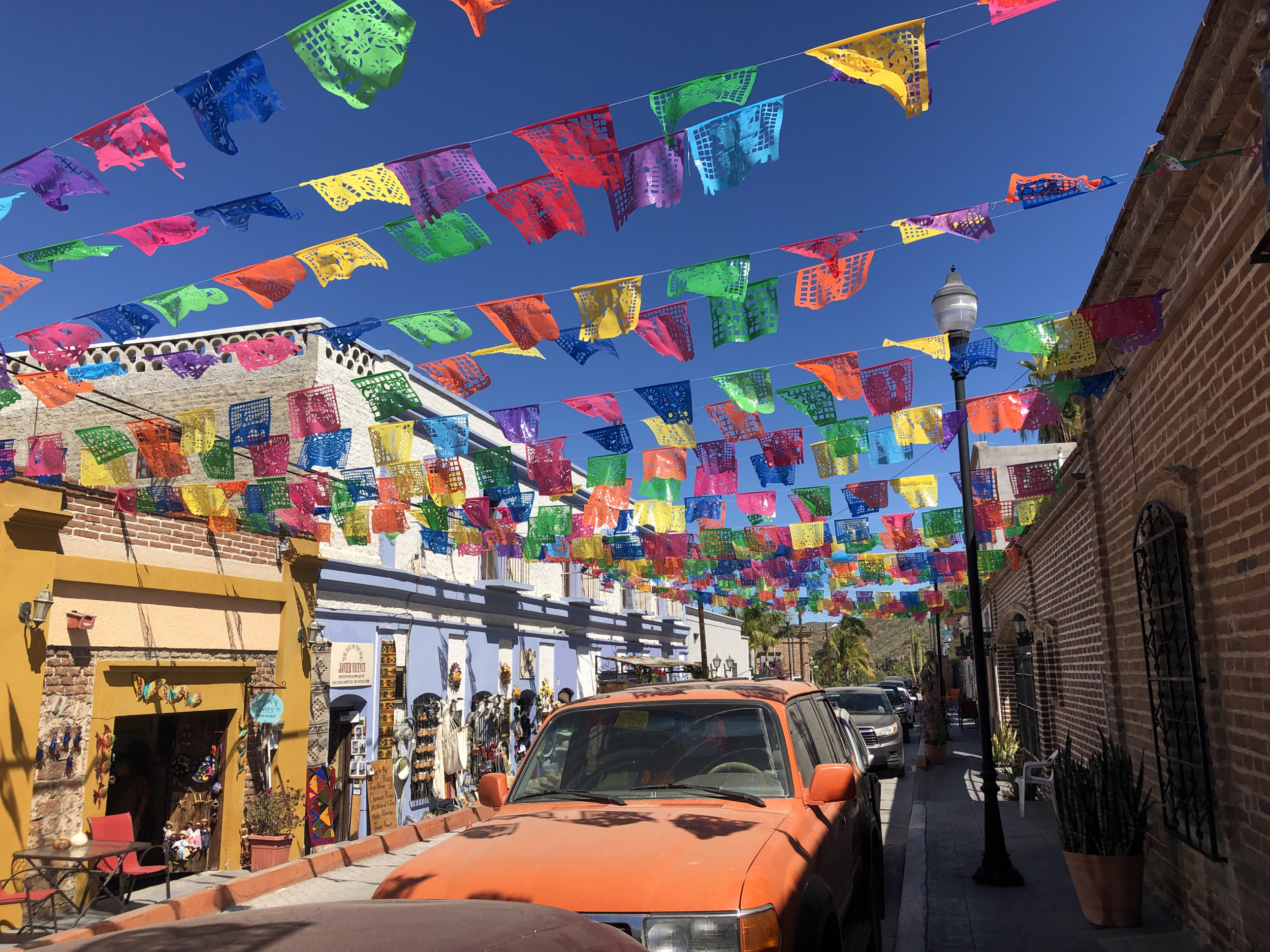
Mexican states visited: Baja California Norte & Sur, Sinaloa, Durango, Mexico, Puebla
Local stories:
I've slacked on this one — mostly because I know I'm going to be in Mexico for so long. I've got some books and movies downloaded and ready, so the next post should include more Mexican things. For now, all I've got are:
-
"The Tunnel" (99% Invisible) on a tunnel under the Arizona border, facilitating the drug trade
-
"Mexico Fights the Fuel Pirates" (Planet Money) on the state's response to drug cartels now stealing gasoline - We actually recently went to a gas station still being protected by army personnel
-
Born to Run: A Hidden Tribe, Superathletes, and the Greatest Race the World Has Never Seen by Christopher McDougall (BOOK) on the evolutionary anthropology research indicating humans were made to run long distances, and on the remote Tarahumara/Ramamurí tribe in the Mexican Sierra Nevada mountains (as well as some American ultra-runners), who still excel at it. This book is sometimes cringe-worthily "bro"y and leans hard into caricatures, but it's also interesting, well-researched, and entertaining.
On US politics:
-
"I Served in Congress Longer Than Anyone. Here's How to Fix It." (Atlantic): A remarkably clear-eyed and no-holds-bar set of recommendations from the longest-ever serving member of the House of Representatives, John Dingell. It's a great future vision for progressives. Favorite line: "I know there are those who genuinely believe in privatizing everything. They are called profiteers." Most shocking fact: "In 2050, 70 percent of Americans will be living in just 15 states. That 70 percent will then have 30 senators, and the remaining 30 percent of the people, mainly those living in the smallest and poorest states, will have 70 senators."
-
"An Itch You Can't Scratch Off" (Topic): A great look at the perverse incentives implicit in state lotteries — simply put, government coffers are fuller when their citizens are addicted to gambling. The most amazing part of this piece was learning how the state lottery games have changed through time to make the games more addictive. For example, addiction is fed by faster feedback loops, so now games are instant-win, or video drawings can happen every 5 minutes. But to make the economics of such constant games work, entry fees (i.e. buying a lotto ticket) must cost more — up to $50 a pop.
-
PODCAST: "Is Fixing Campaign Finance As Easy as Giving Everyone $100?" (The Impact): In an effort to give ordinary voters the same power (read: money) as big lobbyists, Seattle sent every resident free "democracy vouchers" worth $100, which could be given to any local campaign of their choice. I don't want to give away what happened next - just listen. (As a sidenote, I've just started listening to The Impact, a podcast series by Vox focusing on public policy. Unfortunately, it's quite uneven, often overly focusing on emotional responses to interventions, rather than the actual data-driven results.)
On business:
...
Read full post →
February 9, 2019
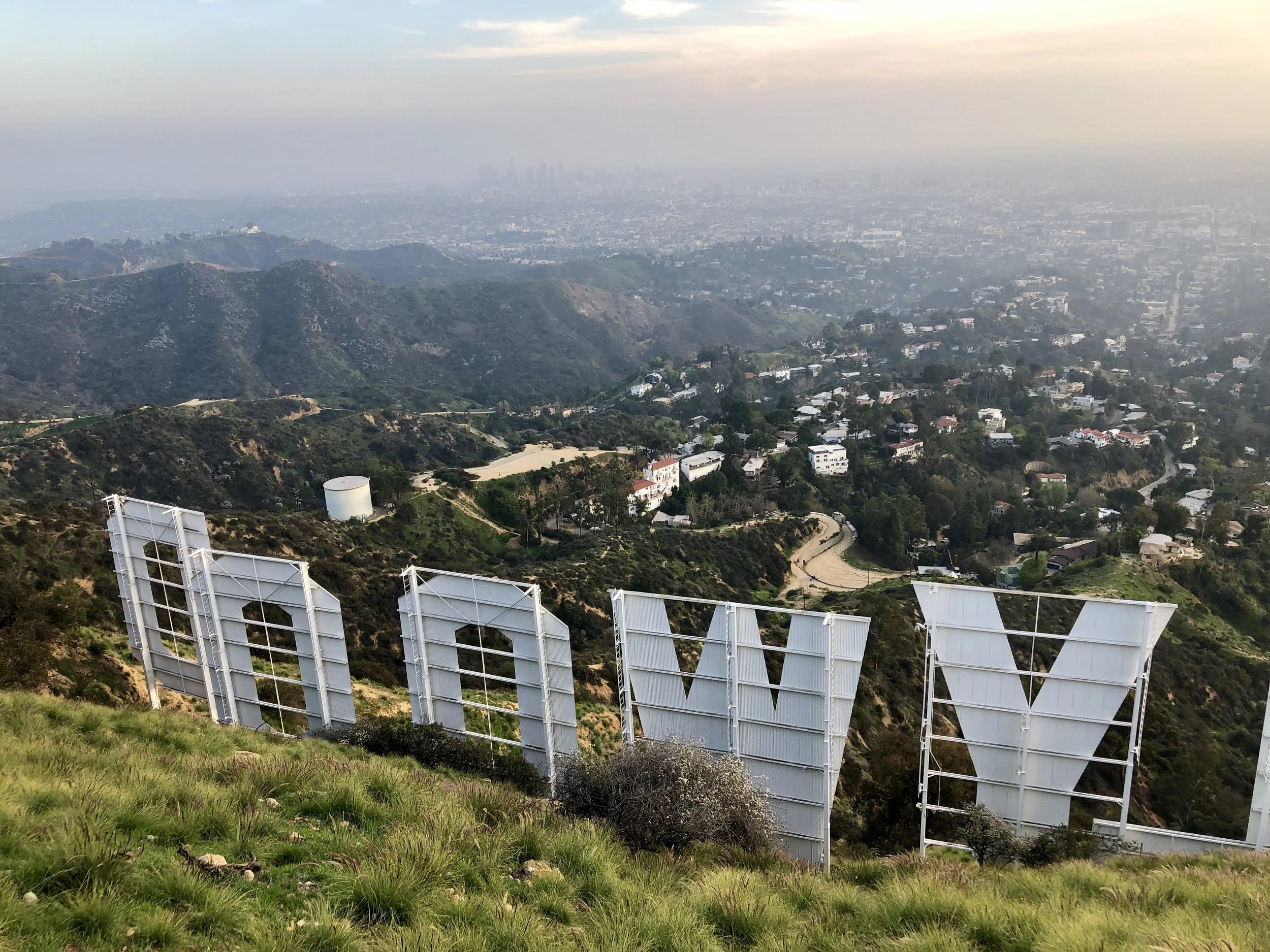
States visited: California (all down the coast), Oregon (Portland only)
BOOKS
I was so eager to devour books written for an American audience (I know, I know…) that I read 7 books in about a month - a combo of ones from the "Best books of 2018" lists and "Staff picks" recommendations from local bookstores.
LIKED:
-
Mr. Penumbra's 24-Hour Bookstore by Robin Sloan: So fun! A fantastical story about a strange bookstore in San Francisco. My only complaints were that it felt very 2012 - as in, weirdly adoring of all things Google/Silicon Valley, and also pretty old-school sexist (jealous boyfriend "jokes" abound).
-
You Know You Want This by Kristen Roupenian: The author of "Cat Person" (the viral New Yorker short story) has a new book of short stories out! It's a strange book, but I enjoyed it. Two things you should know: She used to write mostly horror fiction (so you'll get some weirdness in these stories), and she wanted the stories to discuss complicated power dynamics in relationships of all sorts (romantic, familial, platonic).
-
Educated by Tara Westover (h/t Netta): This memoir is unbelievably BONKERS; it's hard to believe that it could be true. Westover describes her upbringing in a poor, rural, and extremist Mormon family, in which her parents forbid any of the children to go to government school or to see Western doctors. Instead, the children hunt for scrap metal; treat deep injuries with prayer, herbs, homeopathy, and "muscle testing"; and ignore dangerous mental disorders. This book recounts those misadventures, and reflects on the beauties and difficulties involved in leaving "home" to find yourself a new one. It is both shocking and incredibly relatable. There's no way this book doesn't get optioned to become a movie.
MIXED FEELINGS:
- Asymmetry by Lisa Halliday: This book was on basically every "Best of 2018" list, so I'm embarrassed to say I don't think I really "got" it. It's told in two parts, one a Woody Allen-esque quirky story of a relationship between a young woman and a much, much older (as in, likely in his 70s) man; and the other about an Iraqi-American economist who gets detained at a London airport (flipping back/forth through his life, and the political relationship between America and Iraq). I suppose one is supposed to compare/contrast these two narratives, and understand how love, empathy, and power play out differently (or similarly) between the characters in each piece. It's also a rumination in the power (or limits) of art/writing. I thought the first half was excellent, but the second half just seemed to try too hard. Anywhere, here's the New Yorker on why the book has been a phenomenon.
DID'N'T LIKE:
-
There, There by Tommy Orange: This was also on many "Best of" lists. I wanted this book about contemporary, urban "Natives" (Native Americans) to be better than it was. It was from an interesting perspective, but unfortunately was neither interesting (plot- or character-wise) nor particularly lyrical/beautifully composed.
...
Read full post →
January 1, 2019
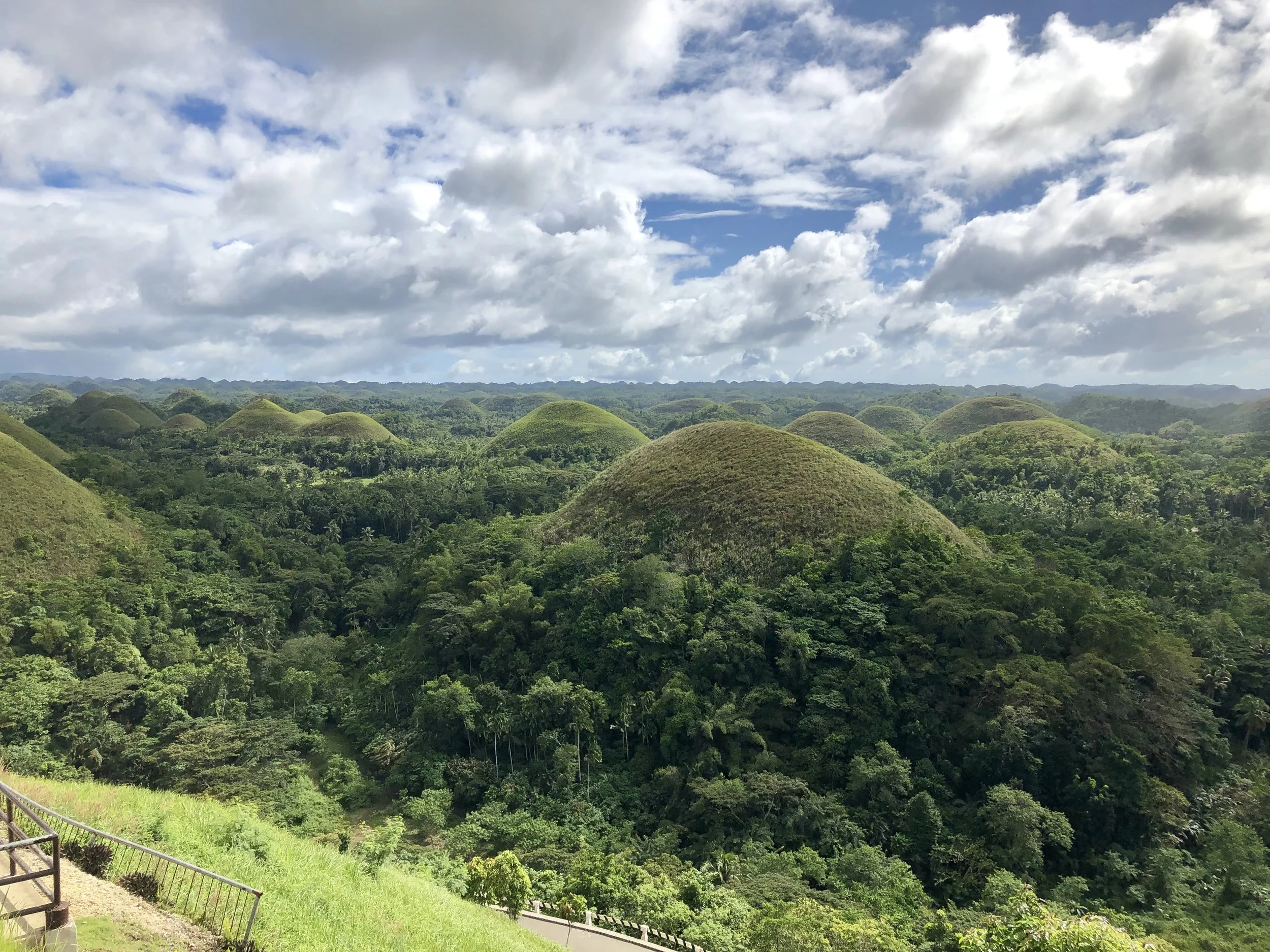
Countries visited: Philippines, South Korea
LOCAL READS:
I read 2 books each from the Philippines and Korea, and generally liked 1 of them from each. Perhaps this is just because I'm drawn to stories of immigrants struggling to find a sense of home wherever they are (dis)placed.
Philippines:
-
In the Country by Mia Alvar: This collection of short stories focuses on the Filipino diaspora and on the country's journey to democracy. I found it rather poignant, and in particular enjoyed the (imagined, private) accounts of the Aquinos couple in America - Historical context: In real life, after years of political exile, the husband returns to the Philippines only to be shot dead so becomes a martyr, which alights mass protests against the dictatorial president Marcos, so that Aquinos' his wife Cory eventually becomes president. (The history is an amazing story in its own right.)
-
Smaller and Smaller Circles by FH Batacan: The "first ever Filipino crime novel" and the winner of the National Book Award in the Philippines, this novel follows a couple of priests, who also happen to be forensic detectives, as they try to crack a serial murder case. It was an enjoyable enough (and quick!) read, with some thinly veiled jabs at Catholicism and Filipino politics (ahem Duterte's treatment of the urban poor), but it was also somewhat predictable. I have no idea how it won a literary award.
South Korea:
-
Pachinko by Min Jin Lee: A sprawling, multi-generational story of South Koreans struggling to survive under Japanese colonialism, this book made just about every "Best Books of 2017" list last year. I didn't love it quite as much as critics did, BUT I did enjoy it. It also taught me a lot about this time/place in history, and the characters were full and complex. (This book was, however, a bit of a cheat, as it was written by a Korean American, rather than a native.)
-
Please Look After Mom by Kyeong-Sook Shin: This book won the Asia Man Booker Prize and was a massive commercial success in Korea. That said, I hated it. I found it incredibly simplistic, overwrought, and self-indulgent. None of the characters were particularly complex. That said, I suppose it served as a window into the Korean psyche, the inter-generational gaps, and the "Asian guilt" born by Gen X/millennial children.
-
I listened to 2 BBC Documentary podcasts on South Korea - and would recommend (the rather scathing) "Not Making Babies in America" episode, which explains that Korea has the lowest birth rate in the world and offers one primary reason for it: widespread, overt sexism that makes women feel they need to choose between husband & child, or career & self respect. Like I said, it's quite scathing, but I like listening to some critiques of the places I visit, as I find most visitors (on any holiday anywhere!) often leave with too-rosy views of a place, without any nuance.
INTERNATIONAL BOOKS
...
Read full post →
December 1, 2018

Countries visited: Indonesia (Bali, Sumatra, Papua), Hong Kong, Macau
LOCAL STORIES
I was pretty bad at consuming HK lit/media while there, mostly because I was too busy meeting up with friends/family an stuffing my face with ALL THE EGG TARTS. I'll catch up in San Francisco (which is kind of HK lite, anyway...).
- Sitting somewhere between Chinese folklore and futuristic science fiction is the sometimes uneven, but often excellent, short story anthology: The Paper Menagerie by Ken Liu. The titular story absolutely slays me.
OPIOID WARS
Theres been plenty of excellent journalism around the opioid crisis in the states. Some particularly good ones:
-
"Trapped by the 'Walmart of Heroin'" (NYT) - A fascinating look at how difficult it is to make good policy for the twin problems drug abuse and homelessness.
-
"The Lazarus Drug" (Hidden Brain) - Does Narcane actually result in MORE deaths? The moral hazard argument.
-
"Treating America's Opioid Addiction" series (Distillations: Science + Culture + History) - A bit slow (so I'm still working my way through it), but an interesting take on the history of addiction and treatment.
RANDOM STORIES
-
"The FBI of The National Park Service" (Outside) - I love reading about strange jobs, and this one is pretty wild (bad pun intended).
-
"The Snapchat Thief" (Reply All podcast) - A slightly hokey episode, but one that pretty effectively drives home just how bad most of us are at protecting our privacy/data and how easy it is to have our digital identities stolen.
-
"How Russia Helped Swing the Election" (New Yorker) - A nonpartisan academic and fact-checking expert's assessment of how likely Trump's win is attributable to Russian interference (spoiler alert: it probably is). It also asks an interesting question of why we are requiring a higher burden of proof on this question than we would for ordinary criminal legal matters (she argues we're asking for 100% certainty rather than "beyond reasonable doubt").
-
"The Myth of Meritocracy" (Guardian) - A philosophical take on why meritocracy and policies of "equality of opportunity" are unethical. I find such arguments quite compelling - my favorite philosophy reads at Oxford were around this topic.
-
"A Man's Last Letter Before Being Killed on a Forbidden Island" (NYT) - Crazy that, even in 2018, places as remote as the North Sentinel Islands still exist.
...
Read full post →
October 29, 2018
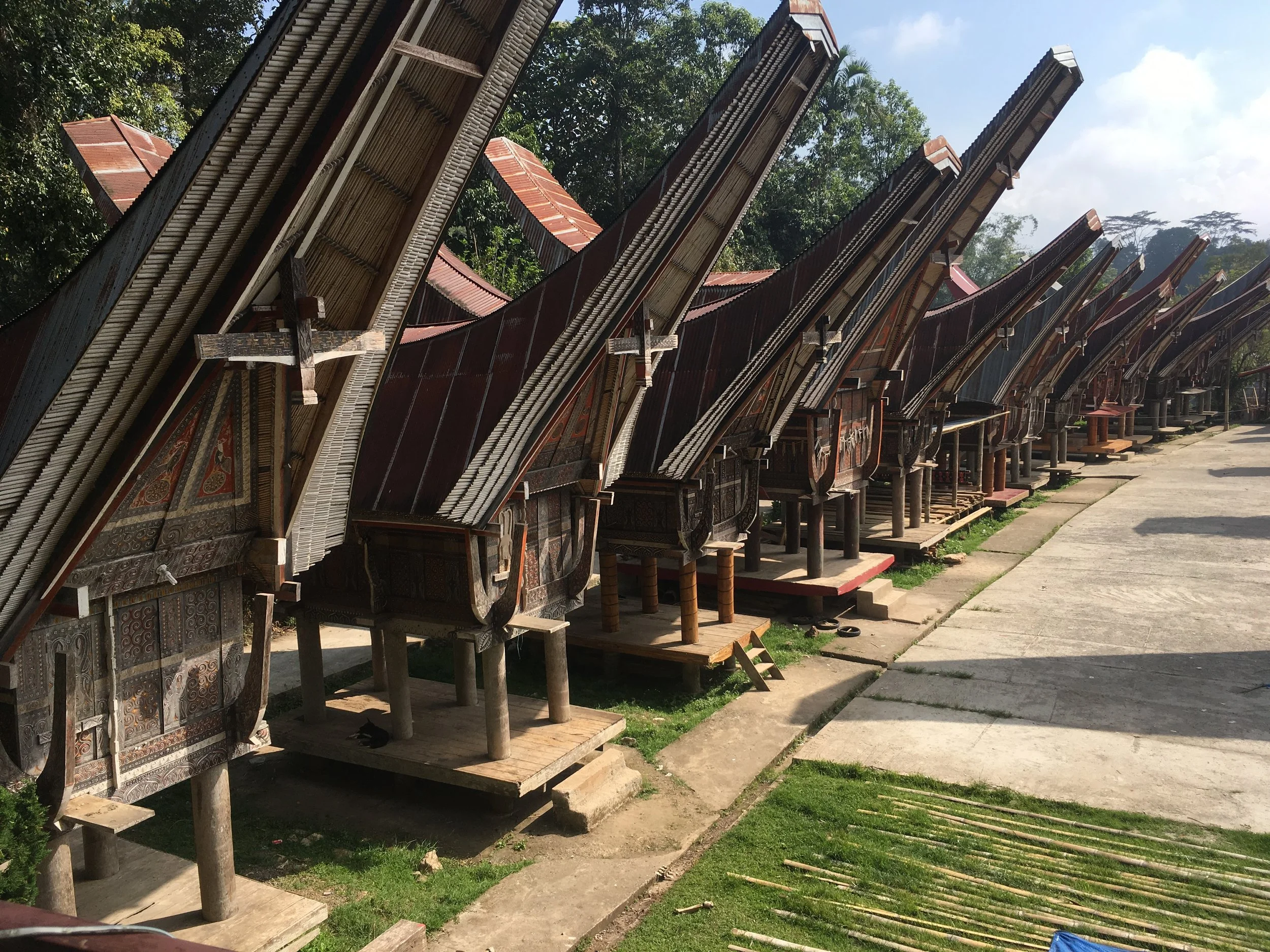
Indonesian islands visited: Flores, Bali, Sulawesi
LOCAL MEDIA
-
Indonesia, etc.: Exploring the Improbable Nation by Elizabeth Pisani (nonfiction book): I broke my rule about reading only local books written by locals (not foreign outsiders) because I had heard so many good things about this one. It was written by an Irish woman fluent in Bahasa Indonesian, who worked as a journalist in Jakarta for many years, and then as a public health consultant for the federal government. The book fit somewhere between travel writing (which I don't normally like) and long-form narrative journalism (which I do like). It gave history and context, describing life and politics in islands across Indonesia, but with a focus on the eastern islands (where we have mostly been traveling). It made for remarkably enjoyable and insightful reading, which helped provide a framework for understanding what we have been seeing. And despite the very varied cultures, we have been able to see some similarities (good, bad, and banal) across islands— the display of buffalo horns outside traditional houses, as a display of clan wealth; the local politics of small gangs ("preman") running bits of local business (e.g., not allowing Uber-like companies to run in specific neighborhoods to keep up a taxi mafia) and likely supported by police/politicians; the proliferation of small districts forming so that more people can be public servants (and enjoy the legal and illegal dues granted by such status); the striking breadth of the Indonesian language (even in remote villages, the elders can speak some bahasa); and of course the ever-present childs' chants of "hello mister" or"hello madam" wherever we go. Highly recommended for anyone going to Indonesia, or wanting to understand it.
-
Beauty is a Wound by Eka Kurniawan (fiction book) - This was a fascinating example of contemporary Indonesian lit. It is a bizarre, multi-generational folk tale with magic-realist elements in which everyone (man, animal, dog, or ghoul) acts strangely; sex and rape are banal; women's only source of power (and pain) is their beauty; and the power dynamics shift over time (from the Dutch, to the Japanese, to the army, and then to myriad preman gangsters) but never to the benefit of the population. It was honestly one of the strangest books I have ever read, and I don't know if I liked it or not. (International critics, however, did: it was on several eminent "best books" lists.)
-
The Act Of Killing, directed by Joshua Oppenheimer (documentary) - This film, which made the film festival circuit, was hugely influential in Indonesia, for bringing attention to the government-sanctioned mass killings of "communists" (including many political opponents and innocent Chinese Indonesians) under President Suharto, and to the still-prevalent power of the paramilitary and gangster forces who actually executed the killings. Prior to this, the average Indonesian had not seriously and publicly considered the role of paramilitaries, or the "rooting out" of communists, as historically problematic. It is equal parts fascinating and disturbing.
One of the most interesting parts of traveling has been to see how local traditions/belief systems have melded with new Muslim, Hindu (Bali), Christian (Tana Toraja, Sulawesi), or Catholic (western Flores) ones.
- One interesting piece showcasing this is BBC Documentary's podcast episode on "Sex Mountain" (Gunung Kemukus) in Java, where Muslims believe that having extramarital sex on this mountain will bring them financial/business success.
...
Read full post →
September 30, 2018
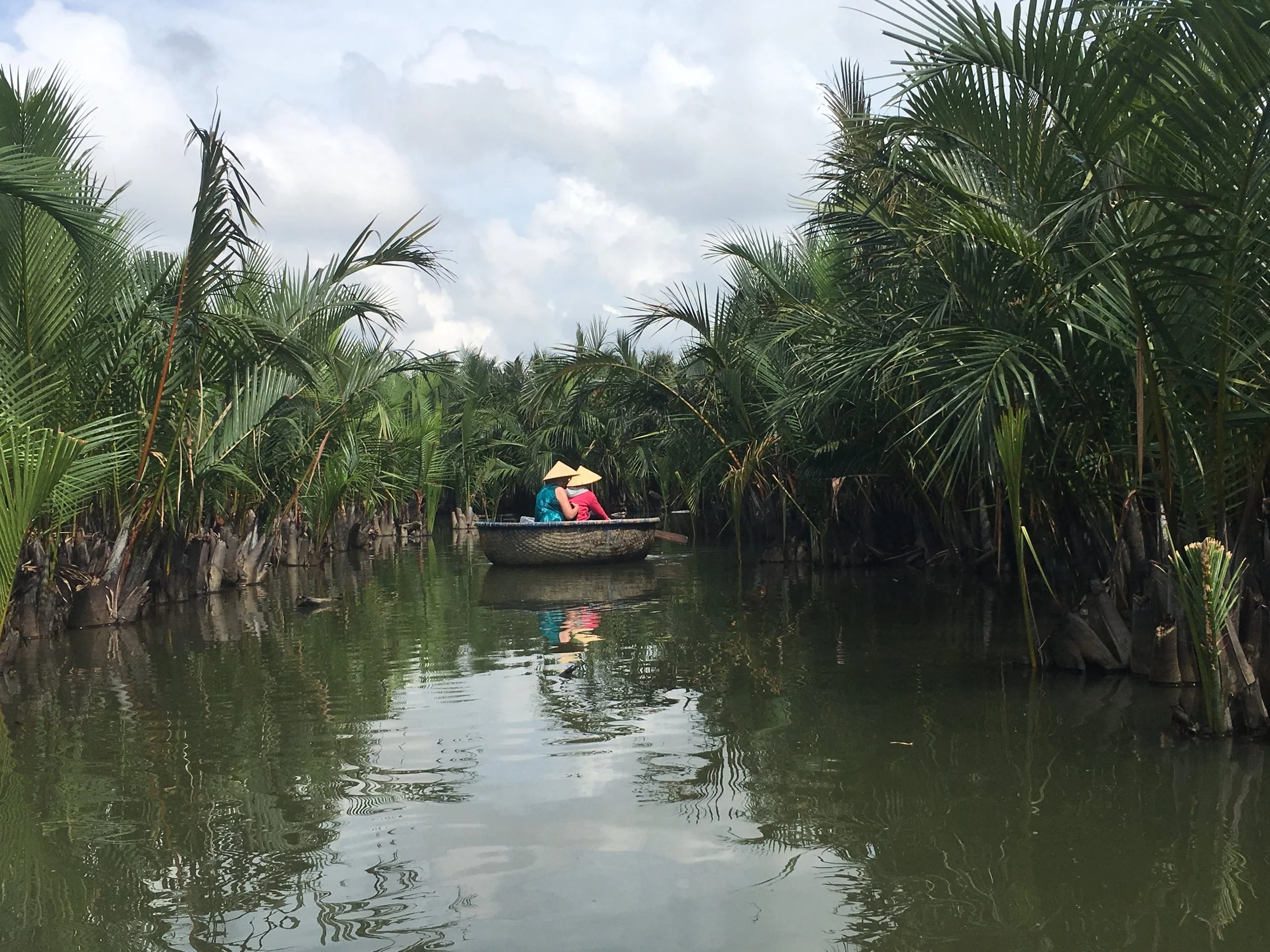
Countries visited: Vietnam (everywhere!), Thailand (Koh Tao)
It's been a while since I last posted - so this is gonna be a long one...
LOCAL STORIES
-
I read The Sympathizer (tragicomedic satire, 2016 Pulitzer winner, I liked but didn't love it) just a few months before this RTW trip - so I gave myself a pass.
-
Werner watched the 10-part, 18-hour Ken Burns documentary, The Vietnam War (AKA "the American War" to the Vietnamese). He loved it. Also was interesting for instance that he had never heard of things like the My Lai massacre or the Tet Offensive - which I suppose as Americans we learn about.
-
Had some good chats with expat friends in Saigon about the war / politics in Vietnam. Many were Vietnamese Americans, whose parents fled after the war and still harbored some resentment of the north. Common things heard:
- Of course the US lost bc the Americans were so obvious about their tactics and positions (whereas the North Vietnamese "would hide under lily pads... you never knew which lilies had a soldier underneath!"),
- South Vietnam would have continued being prosperous (more so than unified Vietnam today) and had the countries stayed separate would have been like North/South Korea;
- the Northerners subjected many to "re-education" camps and took away everything. (In Vietnamese museums, the rhetoric/story was quite pro-revolution, stating things like the North Vietnamese never tortured anyone despite, for instance, John McCain testifying that he was tortured as a POW.)
-
Also, nice perspective for America-centric folks, from the always-sensible Hans Rosling:
"I asked Niem to show me the monument to the Vietnam War [...] Niem drove me to one of the city's central parks and showed me a small stone with a brass plate, three feet high. I thought it was a joke. [...] Seeing that I was disappointed, Niem drove me to see a bigger monument: a marble stone, 12 feet high, to commemorate independence from French colonial rule. I was still underwhelmed. Then Niem asked me if I was ready to see the proper war monument. He drove a little way further, and pointed out of the window. Above the treetops I could see a large pagoda, covered in gold. It seemed about 300 feet high. He said, 'Here is where we commemorate our war heroes. Isn't it beautiful?' This was the monument to Vietnam's wars with China. The wars with China had lasted, on and off, for 2,000 years. The French occupation had lasted 200 years. The 'Resistance War Against America' took only 20 years. The sizes of the monuments put things in perfect proportion."
REGIONAL STORIES
-
Guilty pleasure admission time: I devoured all 3 books in the Crazy Rich Asians trilogy, joyously. They were pretty trashy (and make me wonder how clueless foreigners now perceive Singapore/China??) but also were full of fun insights into (and jabs at) cultures adjacent to my own. For instance, I recognized all too well the Hong Kongers sneering at "Mainlanders" (Mainland Chinese).
-
"What Happened to Fan Bing-Bing, China's Most Famous Actress?" (NYTimes): What happens when an actress gets too opulent to remain a good public symbol for Communist China? A nice, real-world political balance to Crazy Rich Asians!
...
Read full post →